
Keeping a property strong and safe throughout the year requires more than seasonal cleaning and occasional upgrades. It involves understanding how various home systems interact, how external forces impact structural integrity, and how minor issues can quickly escalate if not addressed. A home is exposed to temperature changes, humidity, storms, aging materials, and day-to-day wear. Each of these factors plays a role in how well your home performs and how safe it remains for everyone living inside.
A property functions best when its systems—from heating and cooling to roofing and structural supports—are maintained proactively. Rather than reacting to problems only after they occur, homeowners benefit significantly from adopting long-term and preventative strategies. This includes monitoring appliances, inspecting outdoor structures, evaluating seasonal vulnerabilities, and keeping mechanical systems in peak condition.
This guide offers a comprehensive breakdown of essential maintenance practices that reinforce strength, preserve safety, and improve long-term reliability.
Ensuring Safe and Reliable Household Appliances
Keeping household appliances in proper working order is essential for protecting a home’s safety and functionality. These devices operate daily and are often relied upon without much thought—until something goes wrong. Faulty internal wiring, aging components, or blocked ventilation can create serious hazards such as fire risk, water damage, or electrical instability.
One common issue homeowners face is the unexpected breakdown of major appliances. Whether it’s a refrigerator warming up, a washing machine leaking, or an oven failing to maintain temperature, these early signs often indicate deeper mechanical or electrical issues. Addressing concerns promptly through appliance repair allows homeowners to avoid complicated failures that may damage surrounding systems or pose a safety hazard.
Another critical aspect of appliance safety is monitoring their electrical load. Routine electrical repair checks can identify overloaded circuits, damaged outlets, or wiring problems that may not be visible. This preventative approach minimizes risks and extends the lifespan of multiple household systems.
To keep appliances running safely, homeowners should:
- Inspect power cords regularly
- Clean vents and filters
- Check for unusual odors or noises
- Avoid overloading electrical outlets
- Schedule periodic professional evaluations
When appliances are maintained regularly, they operate more efficiently, consume less energy, and introduce fewer risks into the household. This combination strengthens the overall safety and stability of the property year-round.
Maintaining Heating Systems for Cold-Weather Protection
Heating plays a vital role in home safety, especially in regions with extreme winter temperatures. A well-functioning heating system ensures comfort, prevents moisture buildup, and protects the home’s structure. Problems such as insufficient airflow, mechanical wear, or component failure can quickly compromise warmth and safety.
One of the most effective ways to safeguard heating equipment is through timely furnace repair. A malfunctioning furnace can lead to carbon monoxide leaks, reduced airflow, and excessive strain on internal components. These risks are particularly serious during the winter months when systems operate for longer periods.
Homeowners can maintain heating performance through:
- Annual inspections prior to winter
- Filter replacements every 1–3 months
- Testing thermostat accuracy
- Monitoring system noises and startup patterns
- Keeping the surrounding areas clear of debris
Consistent heating maintenance strengthens the property’s ability to withstand cold weather, preserve air quality, and maintain structural health.
Keeping Cooling Systems Performing Efficiently
Cooling systems are essential for maintaining indoor comfort and preventing heat-related damage within the home. Excess humidity, trapped heat, and inadequate airflow can create environments where mold grows, wood warps, and indoor air quality declines. Ensuring that cooling equipment functions properly is a year-round responsibility, even during seasons of low use. Early detection of performance issues prevents discomfort and structural concerns.
Common problems include refrigerant leaks, clogged condenser coils, blocked drainage lines, and thermostat malfunctions. Homeowners often turn to AC repair services when cooling performance drops suddenly or when inconsistent temperatures appear in different rooms.
Homeowners can reduce cooling system wear by:
- Clearing vegetation around outdoor units
- Cleaning debris from intake and exhaust vents
- Replacing filters frequently
- Ensuring proper insulation and sealing around windows and doors
- Monitoring system performance during peak usage
With consistent maintenance, cooling systems operate efficiently across seasonal changes and contribute to the overall strength and longevity of the property.
Improving Indoor Air Quality Through Preventive Care
Indoor air quality heavily influences household comfort, health, and long-term structural durability. Poor ventilation or excessive humidity can damage walls, flooring, and insulation. Dust, allergens, and pollutants accumulate over time if filters aren’t changed, ducts become dirty, or equipment malfunctions.
Maintaining proper airflow starts with understanding the sources of indoor pollutants. Cooking fumes, pet dander, cleaning chemicals, and outdoor contaminants entering through windows or cracks all contribute to poor air quality. When these particles accumulate, they not only affect breathing but also settle onto surfaces, damaging materials and promoting mold growth.
Preventive care involves:
- Using high-efficiency air filters
- Keeping windows, vents, and ducts clean
- Maintaining proper humidity levels between 30–50%
- Ensuring ventilation fans in kitchens and bathrooms operate correctly
- Checking for condensation along walls or window edges
Homeowners who invest time in ventilation maintenance create a healthier environment, improve system performance, and prevent structural issues caused by moisture and poor airflow. Over time, these measures strengthen the home’s resilience and safeguard interior comfort.
Reinforcing the Property from the Ground Up
A home’s foundation is the backbone of structural integrity. When the foundation shifts, cracks, or weakens, it affects every level of the property—from doors and windows to roofing and plumbing lines. Monitoring the condition of the structure is crucial to preventing extensive damage and costly repairs.
When structural concerns arise, homeowners often rely on foundation repairs to restore stability. Professionals can identify the underlying cause, whether it’s water intrusion, weakened footings, or soil pressure. Methods such as pier installation, leveling, sealing, and reinforcement help prevent further deterioration and strengthen the property for long-term durability.
Homeowners can protect their foundation through:
- Ensuring gutters and downspouts direct water away from the home
- Using proper grading around the exterior
- Monitoring basement and crawl space moisture levels
- Addressing plumbing leaks immediately
- Inspecting visible foundation surfaces every season
These steps significantly reduce the risk of structural instability and support overall property health.
Maintaining and Repairing Outdoor Decks Safely
Outdoor decks provide additional living space but require ongoing maintenance to remain safe and structurally sound. Because they are constantly exposed to rain, sun, wind, and temperature changes, decks are vulnerable to deterioration. Wood rot, loose boards, rusted fasteners, and weakened railings can lead to dangerous conditions if not addressed promptly.
Homeowners can monitor deck safety through regular inspections. Checking for soft spots, unstable railings, protruding nails, and shifting boards helps identify early signs of damage. Moisture is especially harmful to outdoor structures, causing wood to expand, contract, and eventually weaken.
When structural issues arise or materials begin to fail, professional support is often necessary. Many homeowners turn to a deck repair service for a comprehensive evaluation and refurbishment. Professionals can identify hidden damage, reinforce support systems, replace compromised materials, and ensure the deck meets local safety codes.
Preventative care for decks includes:
- Sealing or staining wood surfaces annually
- Keeping debris off the deck surface
- Removing moss or algae
- Tightening fasteners before seasonal changes
- Ensuring water drains away from the deck’s base
With consistent maintenance, decks remain safe, functional, and visually appealing.
Strengthening Outdoor Structures for Long-Term Stability

Outdoor features such as decks, railings, and exterior stair systems contribute significantly to a property’s overall strength and safety. Over time, exposure to moisture, UV rays, and seasonal temperature changes can weaken these structures—making routine inspections and timely maintenance essential for prevention.
One of the most common exterior issues homeowners face is wood deterioration. Deck boards, support posts, and joists are especially susceptible to rot when moisture becomes trapped. A professional deck repair service can evaluate the extent of damage, recommend structural reinforcements, and ensure the surface remains secure for regular use. Early intervention prevents hazards like loose boards or sinking support beams, which can pose serious safety concerns.
Maintaining outdoor structures effectively involves a balance of routine observation, strategic improvements, and professional guidance. Homeowners who commit to these practices maintain not only safe, functional spaces but also boost curb appeal and long-term property value.
Improving Heating Performance and Winter Preparedness
When temperatures begin to drop, a property’s heating performance becomes crucial for maintaining comfort and safety. Unfortunately, many homeowners wait until the first cold snap to evaluate their systems—at which point issues may already be developing. Proactive winter preparation begins with understanding how heating systems operate and identifying early warning signs of trouble.
One of the foundational components of a reliable heating system is consistent airflow. Dirty filters, blocked vents, and damaged ductwork can significantly reduce efficiency, forcing the system to work harder and consume more energy. Routine filter replacement and vent cleaning provide immediate performance improvements. When problems escalate beyond airflow barriers, scheduling furnace repair ensures the system operates safely and efficiently throughout the season. Technicians can diagnose ignition issues, blower malfunctions, and thermostat calibration problems before they impact daily comfort.
Winter readiness extends outdoors as well. Clearing gutters before snowfall prevents ice dams that can damage roofing materials. Inspecting exterior faucets and plumbing lines helps avoid freezing and ruptures that can lead to costly repairs. A well-prepared property withstands harsh winter conditions more reliably and minimizes emergency repair needs.
By investing in heating maintenance, enhancing insulation, and taking preventive safety measures, homeowners can create a warm, stable environment that is both energy-efficient and cost-effective through the coldest months of the year.
Maintaining Roof Integrity for Structural Protection
The roof is one of the most important structural components of any property, serving as the first line of defense against weather, water, and debris. A strong, well-maintained roof not only protects the home’s interior but also contributes to energy efficiency, indoor air quality, and long-term property stability. Routine maintenance and timely repairs are essential to preventing extensive damage that can result in needing new roof installations.
Seasonal inspections are the foundation of effective roof care. Homeowners should look for signs such as missing shingles, damaged flashing, or sagging sections that may indicate structural concerns. When problems arise, contacting local roofing services ensures the issue is diagnosed early and corrected properly. The professionals working for roofing companies can identify weaknesses that are not always visible from the ground, including underlayment problems or ventilation blockages.
Ventilation plays a critical role in roof longevity. Without proper airflow, heat and moisture become trapped in the attic, leading to mold growth, premature shingle deterioration, and increased energy expenses. Ensuring that soffit vents, ridge vents, and attic fans function properly helps maintain consistent airflow and protects structural components.
In addition to repairs and ventilation improvements, homeowners should prioritize preventive care, such as gutter maintenance. Clogged gutters can cause water to back up beneath roofing materials, leading to leaks and rot. Regular cleaning reduces the risk of water intrusion.
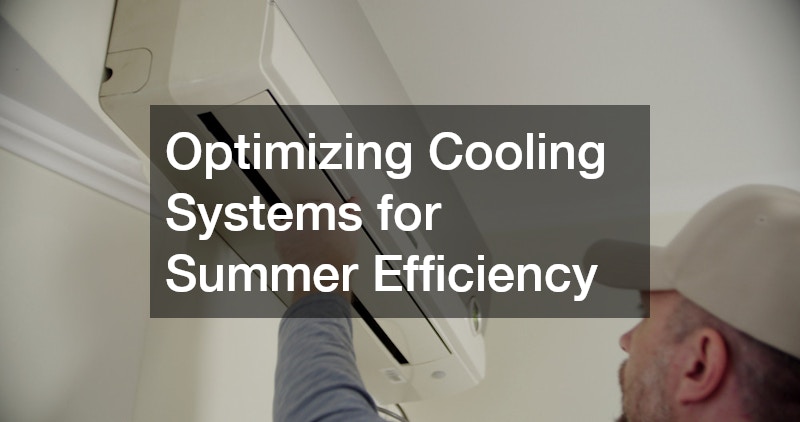
Optimizing Cooling Systems for Summer Efficiency
As summer temperatures rise, the strain on a home’s cooling system increases significantly. A proactive approach ensures reliable performance during peak heat while minimizing unexpected breakdowns. Regular seasonal tune-ups, airflow optimization, and smart cooling strategies help homeowners maintain a comfortable environment and extend the lifespan of their equipment.
One of the most important aspects of cooling system maintenance is identifying airflow obstructions. Blocked condenser units, dirty coils, and clogged filters all contribute to reduced efficiency. Clearing debris from the outdoor unit and ensuring adequate space around it allows heat to dissipate properly. When cooling problems persist, professional AC repair services provide diagnostic testing to pinpoint refrigerant leaks, compressor issues, electrical faults, or thermostat failures that may require expert intervention.
Routine maintenance also includes checking ductwork for leaks or weak connections. Air loss within the duct system forces the cooling unit to work harder, increasing energy usage and diminishing indoor comfort. High-quality sealing and insulation around ducts can improve overall cooling performance significantly.
When seeking long-term cooling solutions, homeowners may benefit from consulting residential AC companies that offer advanced system upgrades, zoning options, and smart thermostat technologies. Modern cooling systems can provide more precise control, improved energy efficiency, and better airflow distribution across multiple floors.
To maintain comfort during extreme summer heat, it’s also important to address potential moisture issues. High humidity makes indoor spaces feel warmer and can strain cooling equipment. Dehumidifiers or integrated humidity control features in newer systems help maintain a balanced indoor environment.
By combining regular maintenance with strategic upgrades and smart airflow practices, homeowners ensure their cooling systems perform reliably and efficiently during the hottest months of the year.
Keeping a property strong and safe year-round requires consistent attention to the systems that protect and support it. From heating and cooling to roofing, electrical components, foundations, appliances, and outdoor structures, every part of a home contributes to overall stability and comfort. When homeowners take a proactive approach—inspecting systems regularly, addressing early signs of wear, and planning seasonal maintenance—they significantly reduce the likelihood of expensive emergencies and safety hazards.
Understanding which repairs can be handled personally and which require professional expertise is equally important. Complex issues involving structural stability, electrical hazards, or major system malfunctions should always be handled by qualified contractors who can provide accurate diagnostics and long-lasting solutions.